

Blog

The New Language of Grief and Compassionate Support

The New Language of Loss: Beyond the “I’m Sorry”

Grief is often treated as a temporary illness, something we “catch” after a death and eventually “recover” from. However, as Michelle Cramer, founder of On Angels Wings and author of Unsheltered Grief, explains in our latest podcast episode, our societal approach to loss is often fundamentally broken. We live in a culture that values “survival mode,” a generational carryover from times when stopping to grieve could literally mean life or death. Today, while we have the luxury of time, we often lack the tools to use it, such as practical grief management skills or access to grief counseling when needed.

Grieving is a deeply personal, non-linear journey that affects everyone differently. There is no “right” way to do it, and there is certainly no expiration date.

Redefining Grief: It’s Not Just About Death

One of the most significant takeaways from our conversation with Michelle is the broadening of the definition of grief. Conceptually, grief is everything that embodies a loss of some kind. It is the “unmet hopes, dreams, and expectations” we have for our lives.

Common experiences that trigger a bereavement response include:

  • Divorce or Relationship Ends: Giving up independence or a shared future.
  • Life Transitions: Moving away from friends, children leaving home, or even getting married.
  • Medical Trauma: Receiving a terminal or life-altering diagnosis for yourself or a child.
  • Loss of Function: The aging process itself, as we grieve the things we used to be able to do.
  • Early Childhood Losses: The death of a pet or a parents’ divorce.

Debunking the “Stages” of Grief

Many people are familiar with the Elizabeth Kübler-Ross five stages of grief: Denial, Anger, Bargaining, Depression, and Acceptance. While these are helpful for understanding the emotional landscape, Michelle Cramer notes a critical distinction: these stages were originally developed for patients facing their own terminal diagnosis, not necessarily for the bereaved.

For those left behind, this process is not a linear checklist. It is a jumbled mess. You might feel acceptance one morning and visceral anger by lunch. This isn’t a sign of failure; it’s the reality of the human heart processing the unthinkable.

Two Powerful Visuals for Understanding Loss

Michelle uses two analogies to help families understand why the pain of loss never truly leaves, even if it changes. 

1. The Ball and the Box

Imagine a box with a “grief button” on one side. Inside the box is a large ball. Initially, the ball is so big that every time it moves, it hits the button, causing intense pain. Over time, the ball doesn’t necessarily get smaller; rather, the box gets bigger . You built a life around grief. The ball still hits the button occasionally, sometimes years later, and when it does, the pain is just as sharp as the first day, but it happens less frequently. 

2. The Barbed Wire Tree

Consider a sapling growing next to a barbed wire fence. Over years, the tree grows around the wire, and the metal becomes embedded in the trunk, creating knots and scars. If you tried to rip the wire out, you would kill the tree. Grief is the wire. It becomes part of your structure, your strength, and your story. You don’t “remove” it; you grow with it.

The Art of Being Present: What to Say and Do

The most common mistake people make when supporting a grieving friend is asking: “Let me know what you need”. A person in extreme grief often cannot remember if they have showered, let alone what they need from the grocery store.

Practical vs. Theoretical Support

Michelle advocates for active presence over passive offers.

What to Avoid (The Platitudes)

What to Do (Active Support)

The “Toilet Paper” Rule

When someone is grieving, the small tasks of life become mountains. Michelle suggests sending practical, disposable items: toilet paper, paper towels, paper plates, and plastic silverware. This removes the burden of doing dishes or leaving the house for basic necessities when they aren’t ready to face the world.

Grief in the Workplace: A Call for Leadership

A staggering story shared in the podcast highlights the lack of empathy in many corporate structures: A father who lost his baby to stillbirth at 37 weeks was denied bereavement leave because the HR policy stated the child had to be a “living relative”.

This “logic” applied to an emotional crisis is what Michelle calls “breaking them again”. Leaders must understand:

  • The 3-5 Day Myth: Standard bereavement leave is rarely enough. It takes 5-7 days just to plan a funeral; the actual grieving often doesn’t start until the dust settles and everyone else goes home.
  • Cognitive Impact: Acute bereavement affects memory, concentration, and work performance.
  • Compassionate Policies: Organizations like the Compassionate Workplace Initiative help leaders respond with clarity, recognizing that an employee’s mental health is vital to the organization’s long-term health. Manager training in grief management and clear return-to-work plans can reduce harm and support recovery.

Supporting Children and Teens through Loss

Children experience grief as early as they can experience love. However, adults often use “colorful language” to protect them, which only causes confusion.

  • Be Honest: Avoid phrases like “they are sleeping” or “we lost them,” which can make children afraid to go to sleep or confused as to why no one is looking for the “lost” person.
  • Give Coping Mechanisms Early: By approaching death correctly at a young age, we give children tools they will need for the rest of their lives.
  • Watch for Behavioral Cues: Children may regress or act out rather than vocalizing sadness.
  • The Balloon Story: Michelle shares how a mother validated her 8-year-old’s grief over a popped balloon. By holding her and letting her cry for five minutes instead of dismissing it as “just a balloon,” the mother taught her child that her feelings were valid.

The Role of Hospice in the Grieving Process

At Haven Home Health and Hospice, we often talk about the “pre-grieving” process. While many associate hospice only with the final hours, it is intended to be a six-month program that provides psychological and spiritual closure for both the patient and the family.

The Proactive Path: Why the Six-Month Window Matters

One of the greatest misconceptions about hospice is that it is only for the final hours of life. In reality, hospice is designed as a six-month program specifically to give families the space to “mentally absorb” the transition. When families utilize the full benefit rather than waiting for the final days, hospice becomes a tool for pre-grieving—a way to face the loss head-on while the loved one is still present.

1. Psychological Closure: Saying the Unsaid

Grief is often compounded by what Michelle Cramer calls “undelivered communication”—the things we wish we had said or done differently. Entering hospice early provides the “ideal space” for:

  • Completing the Relationship: Families have the time to express gratitude, seek forgiveness, and share memories that might otherwise be lost .
  • Addressing Unmet Hopes: It allows families to process the dreams and expectations they had for their loved one, helping to reconcile the reality of the situation before the actual passing.
  • Mental Preparation: It gives the family a chance to “stop” and not be forced to simply “push through” a crisis, allowing them to start the emotional process of closure while supported by professionals.

2. Spiritual and Professional Support

The six-month benefit isn’t just a timeline; it is a support system that “comes to bear” quickly through specialized services. This period allows the patient and family to build a deep relationship with:

  • Chaplains: These professionals provide a dedicated space for spiritual reflection, helping families find meaning and peace during a difficult transition.
  • Social Workers: They assist with the psychological and logistical burdens that often distract from the emotional work of closure.
  • Bereavement Specialists: Because the support begins early, the bereavement team can help mitigate the intensity of the grief that occurs after the loss.

3. Mitigating the “Jumbled Mess” of Loss

By starting the process early, hospice helps mitigate some of the overwhelming disorientation that follows a death. While most families currently only receive hospice care for days or hours, those who take advantage of the six-month program find they are better equipped to navigate the “jumbled mess” of grief because they have already begun the work of processing their emotions and securing closure.

Pediatric vs. Adult Hospice

Michelle highlights that pediatric hospice is often different. It focuses on comfort and palliative care and can last for weeks, months, or even years. For these families, this sorrow is a constant, day-to-day companion as they provide 24/7 care. Support in these cases is about the long-term relationship, not just the moment of passing.

When to Seek Professional Help

While grief is a normal response to loss, there is a point where it can become “complicated” or “prolonged”. You should consider professional counseling or support groups if:

  1. Functioning is hindered: The inability to perform daily tasks persists for an extended period.
  2. Persistent Guilt or Anger: These emotions interfere with the ability to find joy.
  3. Isolation: Withdrawal from all friends, family, and activities.
  4. Physical Risk: Thoughts of self-harm or hopelessness.

Resources like the Grief Recovery Method focus on completing the “undelivered communications” and addressing the “unmet hopes and dreams” left behind by the loss. If you’re unsure where to start, consider brief grief counseling with a licensed therapist or a peer support group. Many communities, hospices, and faith organizations also offer workshops on grief management to help build practical coping skills.

Conclusion: Finding Capacity for Joy

Grief never leaves you, but it doesn’t have to cause you pain forever. When we process our unmet expectations and give our pain a voice, we create space for joy to step back in. As Michelle reminds us: “Your grief is valid”.

Whether you are grieving a spouse, a child, a job, or your own youth, the first step toward healing is acknowledging that you are broken and that it is okay to be.

Take the Next Step

  • Listen: Hear the full interview with Michelle Cramer on the In Good Company podcast for more stories of resilience and hope.
  • Read: Pick up a copy of Unsheltered Grief by Michelle Cramer.
  • Connect: Visit On Angels Wings (onangelswings.org) for therapeutic photography and long-term support.
  • Support: If you or a loved one are navigating the end-of-life journey, reach out to Haven Home Health and Hospice to learn how our chaplains, social workers, and bereavement teams can support you, including referrals for grief counseling when appropriate.
Share This :

Get An appointment

Our Blog

Related articles

Scroll to Top

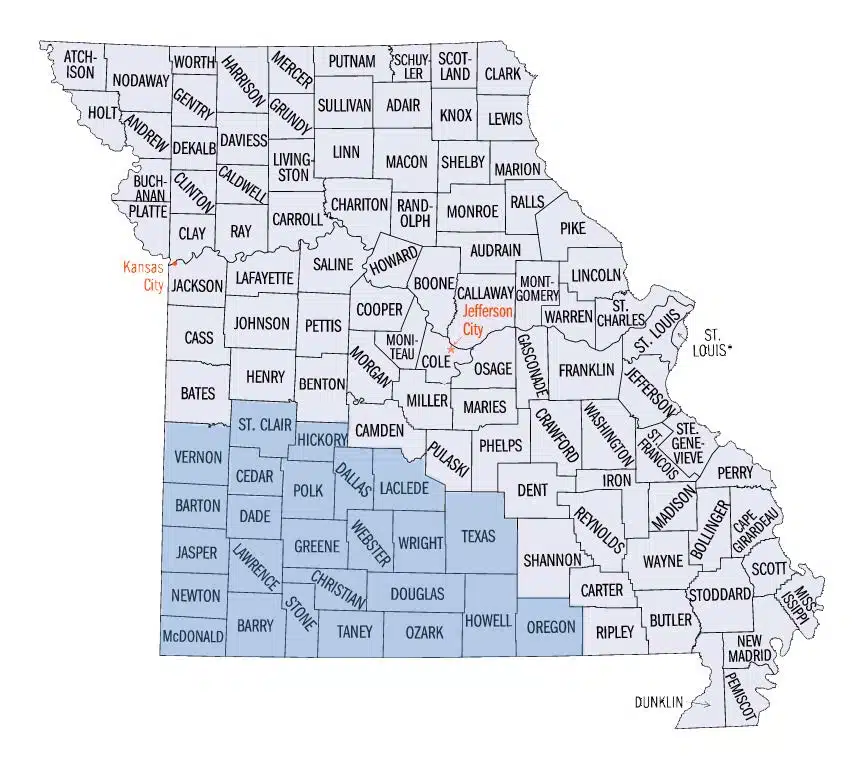
PRIVATE DUTY & IN-HOME SERVICES (IHS) SERVICE AREA

CONSUMER DIRECTED SERVICES (CDS) SERVICE AREA: