ARTICLE
When to Call Hospice: Signs It May Be Time | Haven
Hospice usually starts when a doctor confirms that a parent or loved one has a life-limiting illness with a prognosis of six months or less, if the illness runs its normal course. In practice, most families call later than that timeline suggests, often only after noticing more bad days than good, despite treatment that used to help.
You don’t need a hospital stay or a new diagnosis to start the conversation. Any doctor, family member, or the patient can bring up hospice at any point. Waiting for someone else to say it first is one of the most common reasons families call later than they wish they had, and calling early doesn’t lock you into anything before an assessment confirms it’s the right fit.
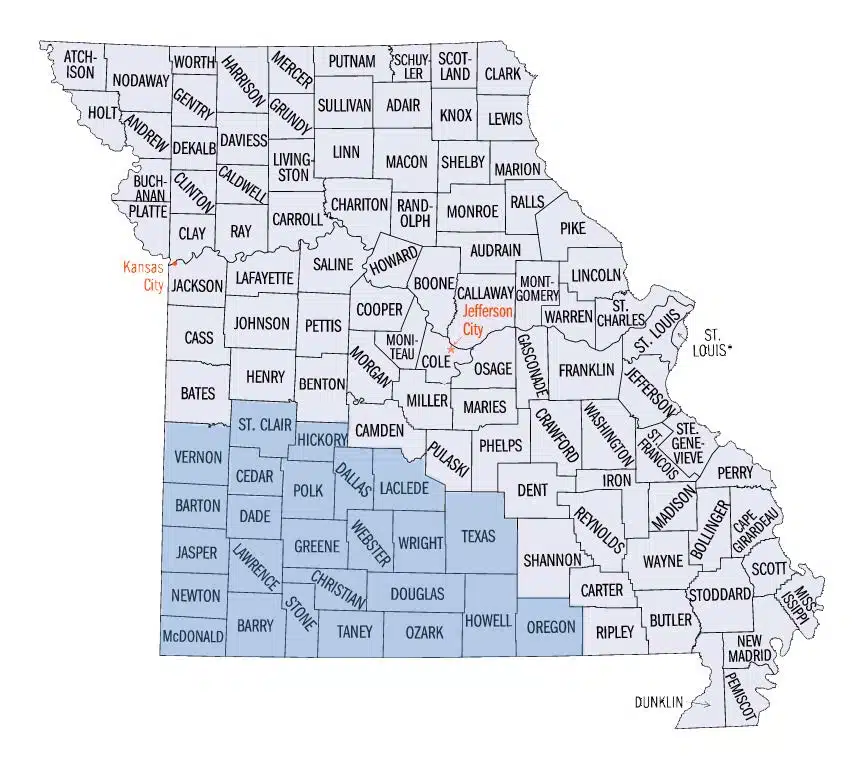
This guide covers the signs that often prompt a family to ask, how a doctor actually decides if someone qualifies, and what happens after you call Haven’s hospice care team in Springfield, Ozark, Nixa, Republic, Rogersville, or Branson.
Call to ask whether the signs you’re seeing mean it’s time.
Call to ask what hospice covers
Talk with a Haven about whether your parent qualifies, what Medicare pays for, and what the first week looks like.

What Does “Calling Hospice” Actually Mean?
Hospice care is comfort-focused care for someone living with a serious, life-limiting illness. It isn’t the same as home health care, which is skilled nursing and therapy ordered by a doctor to help someone recover from an illness or manage a condition. It’s also not the same as in-home care, which is non-medical help with daily life such as bathing, meals, and companionship.
Calling hospice doesn’t mean stopping all care. It means changing the goal of care, from treating the illness to managing pain and symptoms so your parents or loved ones can be as comfortable as possible, usually at home.
It’s also worth knowing where palliative care fits, since it’s easy to confuse the two. Palliative care manages pain and symptoms alongside ongoing treatment, at any stage of an illness.
Hospice is comfort care after treatment has stopped, once curing the illness is no longer the goal. If your loved one is still pursuing treatment, palliative support may be the better first conversation to have with their doctor.
Signs It May Be Time to Consider Hospice
None of these signs on its own means hospice is the only option left. Together, they’re the most common reasons families start asking their doctor about it.
01
More Trips to the ER or Hospital
Repeated emergency room visits or hospital stays for the same illness, especially if each one leaves your loved one a little weaker than the last or a little slower to bounce back, is often the first sign families notice. A pattern of admissions matters more than any single trip.
02
Treatment Isn’t Helping the Way It Used To
When a treatment stops slowing the illness, starts causing more side effects than relief, or a doctor recommends stopping it altogether, that’s a natural point to ask about comfort-focused care instead. This is also a conversation worth having if your loved one says they’re tired of treatment, even if the medical team hasn’t suggested stopping.
03
Noticeable Weight Loss or Loss of Appetite
Eating and drinking less, or losing weight without trying, is common as your loved one’s health declines. It’s a natural sign the body is slowing down, and one of the signals doctors weigh when considering hospice care.
04
Sleeping Most of the Day
More time asleep, more fatigue, or pulling back from conversations and activities your loved one used to enjoy can signal that the body is slowing down. Some families notice this shows up gradually, over weeks, rather than all at once.
05
You’re the One Running on Empty
Caregiver exhaustion isn’t a reason to feel guilty. It’s a reason to ask. If you’re skipping your own meals, sleep, or doctor’s appointments to keep up with your loved one’s care, that’s worth mentioning at their next appointment too. Hospice support is built around your whole family, not only the patient, and includes help for you as the caregiver.
Who Decides If Someone Qualifies for Hospice?
Medicare requires certification that the prognosis is six months or less, if the illness runs its normal course, from a hospice physician and, if your loved one has one, their own attending doctor.
Qualifying doesn’t mean care ends after six months. Medicare structures hospice in benefit periods: two 90-day periods, followed by an unlimited number of 60-day periods, as long as your loved one continues to be recertified as eligible.
Starting with the third benefit period, that recertification includes a face-to-face visit with a hospice provider.
In other words, if your loved one lives longer than six months on hospice, they don’t lose their coverage. Their care team simply recertifies them, the same way they did at the start.
National data consistently points the other direction, though: many families wait until an illness’s final days to ask about hospice, which means missing months where earlier support could have helped.

Does Calling Hospice Mean Giving Up?
No. Hospice is a change in the goal of care, not a step back from care itself. Many families describe it as the opposite of giving up, a full care team focused entirely on comfort, symptom control, and quality time together, instead of repeated trips to the hospital.
Some families who’ve experienced both in-home care and hospice with Haven describe the same team simply staying with them through the transition, one less unfamiliar face during an already hard time.
Not sure hospice is the right fit yet?
If the prognosis is longer than six months, home health or in-home care is often the better answer. We will tell you which one fits.
What Happens After You Call?
An admission nurse will usually schedule an assessment visit, often within a day. That visit covers your loved one’s medical history, current symptoms, and whether they meet Medicare’s hospice criteria.
If eligible, a care team is built around your loved one: a nurse, a hospice aide, a social worker, and a chaplain if wanted, all working under a plan of care set by a doctor. Visits are scheduled based on need, not a fixed calendar, and someone from the team is reachable by phone between visits.
Your loved one’s own doctor doesn’t have to step away, either. Many families keep their regular doctor involved alongside the hospice team, especially for decisions that go beyond comfort care.
In the first few days, expect equipment like a hospital bed or wheelchair to be delivered if needed, medications adjusted for comfort, and a schedule set for regular nurse and aide visits. Your family also gets a number to call any time, day or night, if something changes between scheduled visits
Frequently Asked Questions
Does Medicare Cover Hospice Care?
Yes. Medicare Part A covers hospice care in full for people who qualify, including nurse visits, medications related to the terminal illness, and medical equipment. Room and board is the one exception. If your loved one lives in a nursing home, Medicare pays for hospice services but not the cost of the room itself.
What If My Loved One Improves After Starting Hospice?
Hospice care can be paused or stopped if a patient’s condition improves or they choose to pursue treatment again. Eligibility is reassessed regularly, and care can resume later if it’s needed again.
Can You Ask About Hospice Before Your Doctor Brings It Up?
Yes. Families can ask about hospice at any point during a serious illness. You don’t need a doctor to suggest it first, and asking early doesn’t commit you to anything before an assessment confirms eligibility. See the National Institute on Aging’s explanation of hospice and palliative care for a good overview of how the two compare.
How Do You Start the Process?
Start with a phone call to your loved one’s doctor, or directly to a local hospice provider. A conversation and an assessment visit, not paperwork, is usually the first step. MedlinePlus’s overview of hospice care is a plain-language resource if you want to read more before you call.
The Bottom Line
Hospice exists for the moments when treatment stops helping and comfort becomes the priority. The signs are rarely one dramatic event. More often, they build slowly: more hospital visits, less appetite, more sleep, and a family running low on its own reserves.
Asking about hospice early gives your parent or loved one, and your whole family, more time with the right support in place, not less. Haven is locally owned and serves families throughout the Ozarks, including Springfield, Ozark, Nixa, Republic, Rogersville, and Branson.
Take Action Now
Call to Ask What Hospice Covers
Locally owned, with our office in Ozark. Call to find out whether your parent qualifies and what the first week of hospice would actually look like.