In the modern healthcare landscape, we often view medicine as something that comes in a bottle or via a prescription pad. However, at Haven Home Health and Hospice, we believe in a more foundational truth: the most powerful pharmacy in the world is located in your kitchen.
The concept of “Food is Medicine” is more than a trendy catchphrase; it is a clinical approach to health that emphasizes using whole, nutrient-dense foods to prevent, manage, and even reverse chronic conditions. Whether you are seeking home health care near you for recovery or navigating the complexities of hospice care, understanding the healing power of food is essential for quality of life.
In our latest episode of the Haven Home Podcast,In Good Company: Age Better, we sat down with Dr. Shuck to discuss the intersection of nutrition, gut health, and longevity. This article expands on those insights, providing a roadmap for utilizing nutrition as a therapeutic tool.
Your Genes are Not Your Destiny: The Science of Epigenetics
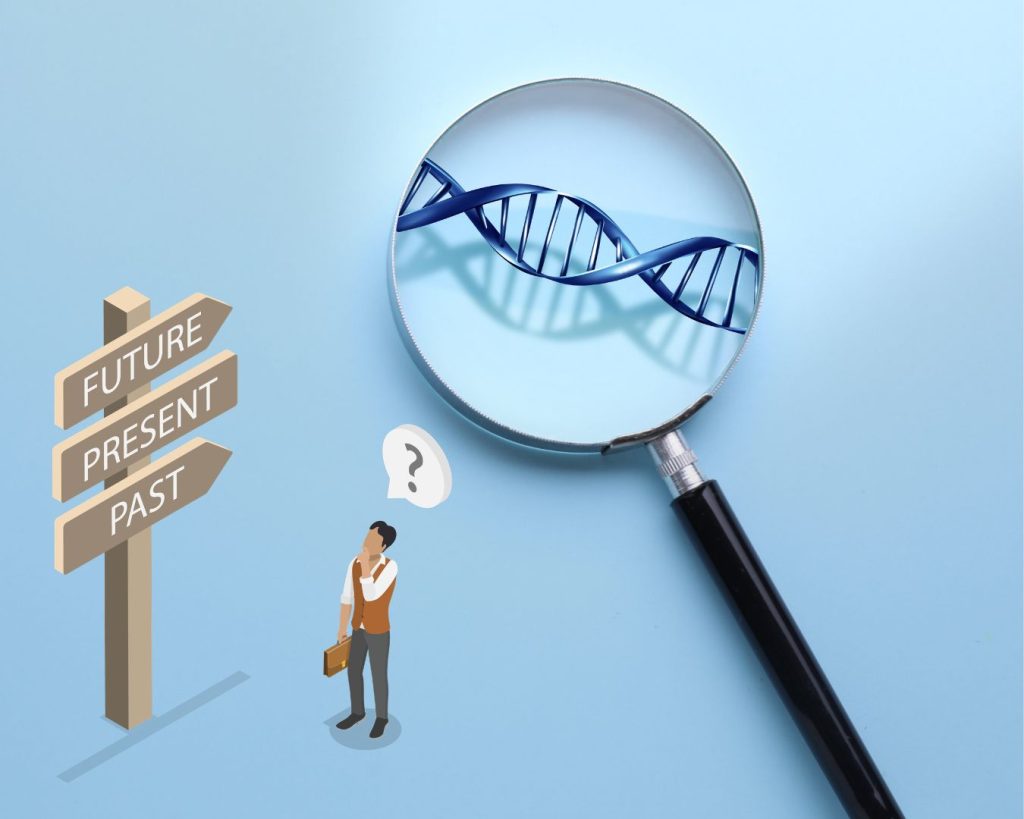
For many families researching elderly care services or in-home senior care, there is often a heavy sense of inevitability regarding chronic conditions like Alzheimer’s, diabetes, or heart disease. However, Dr. Shuck explains that our health outcomes are not strictly dictated by our DNA. She uses a powerful analogy to clarify this: while genetics might “load the gun,” it is your environment and your daily lifestyle decisions that actually “pull the trigger”.
Epigenetics is the study of how your behaviors and environment can cause changes that affect the way your genes work. Unlike your DNA sequence, which is fixed, your gene expression is fluid. This means that through intentional choices—specifically regarding nutrition and gut health—you have the power to influence your body’s internal environment, potentially “turning off” markers associated with disease and “turning on” those that promote healing and longevity.
Healing the Body from the Inside Out: The Gut Health Revolution
During our podcast episode, Dr. Shuck emphasized that humans are “intelligently designed” to process a vast array of natural foods. However, the modern world has introduced variables that our ancestors never faced: pesticides, antibiotics, and ultra-processed foods.
The Impact of Pesticides and Drugs
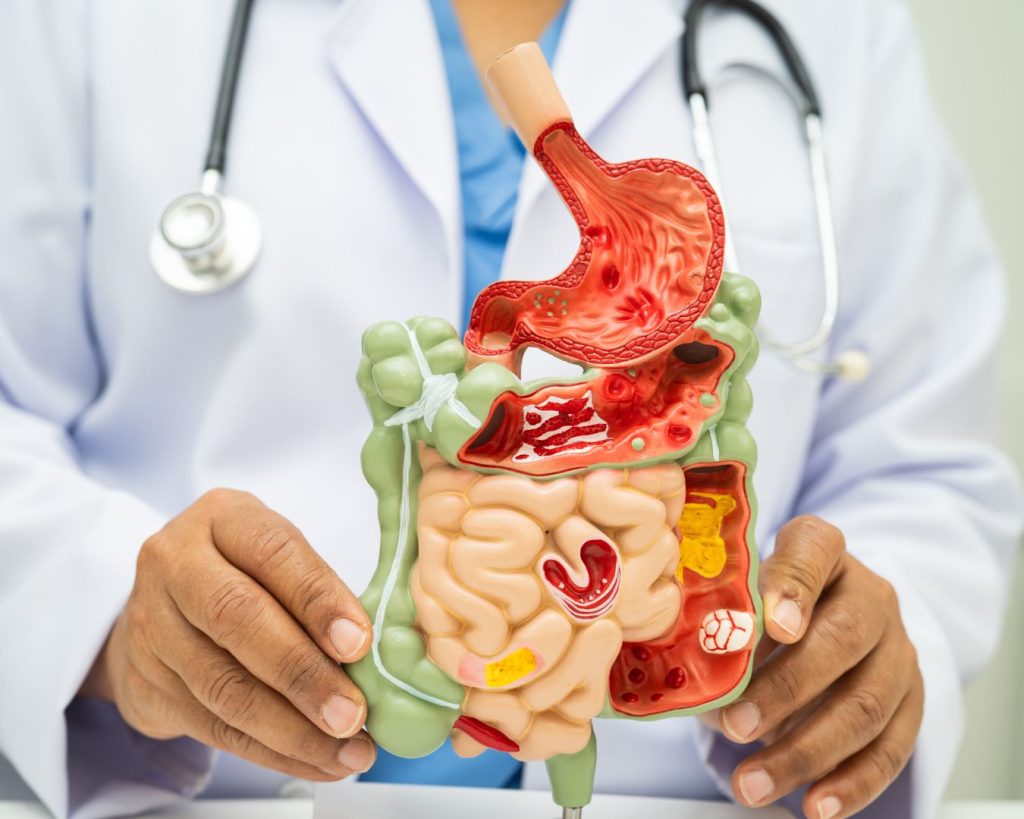
Our gut microbiome is a delicate ecosystem of trillions of bacteria that regulate our immune system, mood, and metabolism. When we consume foods treated with heavy pesticides or undergo frequent rounds of antibiotics without proper gut support, we “mess up the gut,” as Dr. Shuck noted.
When the gut is compromised, it leads to:
- Systemic Inflammation: The root cause of most chronic illnesses.
- Nutrient Malabsorption: Meaning even if you eat “healthy,” your body can’t use the fuel.
- Autoimmune Triggers: Where the body begins to attack its own tissues.
For patients receiving home health care services, prioritizing gut restoration is often the first step in physical therapy and recovery.
Why “Food is Medicine” Matters in Hospice and Home Health
When discussing hospice care services or palliative care, the focus often shifts to comfort. However, nutrition remains a cornerstone of comfort.
Nutrition in Hospice Care
In the context of hospice at home, the goal of food therapy isn’t necessarily “curing” a terminal illness, but rather managing symptoms and enhancing the “vibrancy” of the days remaining. Anti-inflammatory foods can help reduce the pain associated with terminal conditions, while easily digestible functional foods (like bone broth or probiotics) can mitigate the digestive distress often caused by palliative medications.
Nutrition in Home Health
For those utilizing home health agencies for post-surgical recovery or chronic disease management, food is the building block of tissue repair. High-quality proteins, healthy fats, and a rainbow of phytonutrients are required to close wounds, rebuild muscle mass, and stabilize blood sugar.
Practical Applications: Embracing the “Blue Zones” Mentality
In the podcast, we touched upon the “Blue Zones”—regions of the world where people live statistically longer and healthier lives. Their secret isn’t a “superfood” supplement; it’s a lifestyle built around whole-food, plant-slanted diets.
1. Prioritize Whole, Plant-Based Foods
A plant-based diet is naturally rich in fiber and antioxidants. These compounds act as “scavengers” in the body, cleaning up the cellular waste that leads to aging and disease.
2. Incorporate Functional Foods
Functional foods provide benefits beyond basic nutrition. Examples include:
- Probiotics: Kefir, sauerkraut, and kombucha to rebuild the gut microbiome.
- Omega-3 Fatty Acids: Found in walnuts and flaxseeds to reduce brain inflammation.
- Turmeric and Ginger: Nature’s most potent anti-inflammatories.
3. Mindful Eating and Digestion
It’s not just what you eat, but how you eat. Mindful eating—slowing down and chewing thoroughly—activates the parasympathetic nervous system (the “rest and digest” mode). This is crucial for seniors receiving in home hospice care, as it ensures the body is actually in a state to absorb nutrients.
Overcoming Barriers to Healthy Eating
We understand that for many families in the Ozarks, accessing fresh, organic produce can be a challenge. Whether it’s budget constraints or the physical exhaustion of caregiving, healthy eating can feel like an uphill battle.
Tips for Caregivers and Seniors:
- Batch Cooking: Spend one day a week preparing nutrient-dense soups or stews.
- Frozen Over Fresh: Frozen vegetables are often picked at peak ripeness and are more affordable than fresh produce out of season.
- Utilize Home Care Caregiver: If you have a Home Care Caregiver, incorporate meal prep into their care plan. They can help with chopping, cooking, and ensuring the kitchen remains a place of health.
Listen to the Full Conversation
If you found these insights valuable, you won’t want to miss our full conversation with Dr. Shuck on the Haven Home Podcast. We dive deeper into:
- The specific labs you should ask your doctor for.
- How to “set your location” (tracking sleep, energy, and mood).
- The truth about the “Standard American Diet” (SAD) and its impact on the elderly.
Conclusion: Commitment to Vibrant Living
At Haven Home Health and Hospice, we are committed to more than just managing symptoms; we are committed to the person. By embracing the healing power of food choices and understanding the role of epigenetics, we empower our patients and their families to take control of their health journeys.
As Dr. Shuck reminded us, the journey starts with “figuring out where you are.” Take note of your energy, your sleep, and your mood today. If you feel like your health is “loading the gun,” remember that you have the power to change the environment and prevent the trigger from being pulled.
For more information on our home health, hospice, and home care services in the Ozarks, please visit ourServices Page.