ARTICLE
Rethinking Healthcare Access in the Ozarks: How Community Innovation and Home Care Partnerships are Transforming Patient Outcomes
Watch the Full Episode with Ryan Krueger
article
Rethinking Healthcare Access in the Ozarks:
How Community Innovation and Home Care Partnerships are Transforming Patient Outcomes
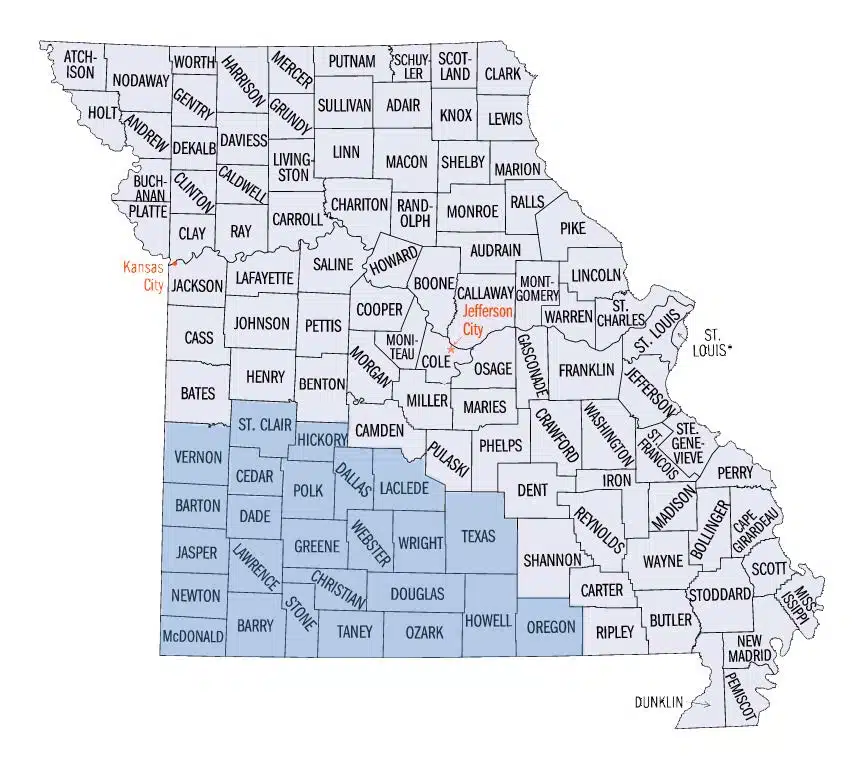
For most folks living in city centers, a sudden fever means a quick ten-minute trip to the local urgent care. But for a family nestled in the hills of Newton County, that same illness starts with a frantic check of the gas gauge and a daunting two-hour drive. While we often talk about the rugged independence of this region, the breathtaking geography that makes our home special also creates unique challenges for healthcare access in the Ozarks.
When the nearest emergency room is forty miles of winding backroads away, you are living in what experts call a “medical desert”. Regional health studies define these rural medical deserts in southern Missouri as areas where residents must drive more than thirty minutes just to reach basic hospital services.
In the latest episode of the In Good Company: Age Better Podcast, we sat down with Ryan Krueger, Vice President of Operations at Jordan Valley Health, to discuss how his team is using nearly 30 years of experience to bridge this geographic and financial divide.
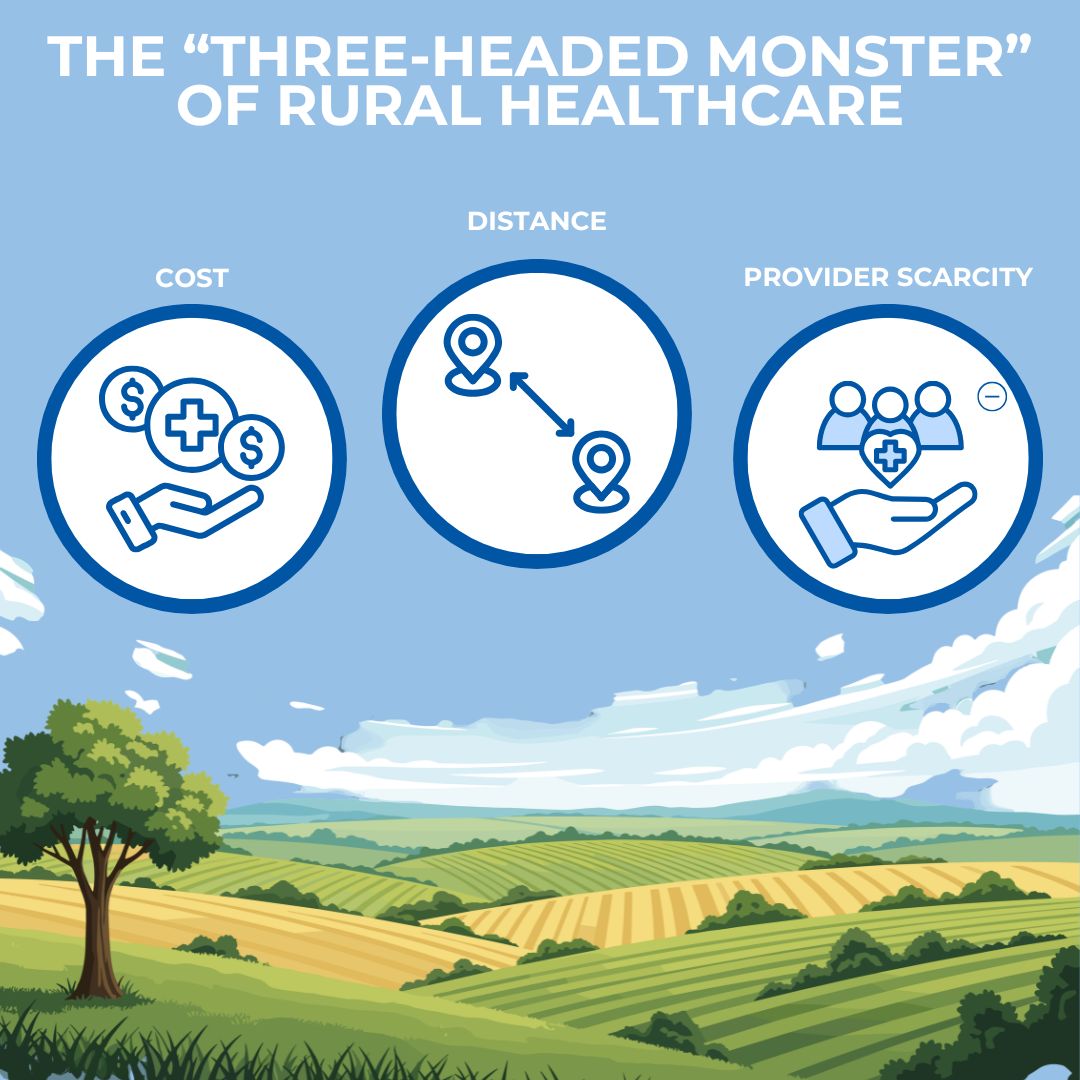
The “Three-Headed Monster” of Rural Healthcare
Patients in remote stretches of Missouri and Arkansas face a relentless “three-headed monster” when seeking help:
Patients in remote stretches of Missouri and Arkansas face a relentless “three-headed monster” when seeking help:
Fortunately, local leaders like Krueger are bringing access to care directly back to the “front porch” through mobile centers and innovative home care partnerships.
Mapping Care: The Jordan Valley, Mercy, and CoxHealth Connection
Navigating the Ozarks’ care map requires strategy, especially when comparing the footprints of major players. While Mercy stretches further west and south into rural areas and CoxHealth is deeply rooted around Springfield, a new model of “co-branding” is emerging.
Ryan Krueger highlighted a unique collaboration in Buffalo, Missouri, where CoxHealth leases clinic space to Jordan Valley. By operating together, they brought essential dental services to a community that desperately needed them, proving that excellent care doesn’t always require a permanent, independent brick-and-mortar hospital.
Watch the Full Episode with Ryan Krueger
The Pharmacy Revolution: 340B and “Pennies on the Dollar”
A short drive to the doctor doesn’t help if the prescription costs more than the gas to get there. As a longtime pharmacist, Krueger is passionate about the 340B program, a 1992 legislature that gives community health centers access to lower-cost drugs directly from manufacturers.
How it Works for the Patient:
PACE: The Secret Ingredient for Aging in the Ozarks
One of the most transformative programs discussed in the podcast is PACE (Program of All-Inclusive Care for the Elderly). For a senior recovering from surgery, a bumpy hour-long ride over county roads for a check-up is risky.
What is PACE?
PACE is a capitated health plan designed to allow seniors to “age in place” safely in their own homes rather than moving to a nursing facility.
Navigating the ‘Dual Eligible’ Maze
Understanding Missouri and Arkansas healthcare policy is vital for local residents. While Medicare covers seniors and Medicaid helps those with low incomes, being “dual eligible” means the programs act as a financial tag team: Medicare pays the primary bills, and Medicaid covers the leftover copays and premiums.
If you are struggling with forms, Krueger recommends turning to local advocates or community health workers who offer free, trained counseling to help you secure the coverage you’ve earned.
Specialized Care: Mental Health and Behavioral Medicine
Geography often dictates quality of life, especially regarding mental health. Rather than waiting 8 to 10 months to see a specialist in Springfield, Jordan Valley is launching telehealth initiatives. For example, a new telehealth rheumatology program aims to cut wait times from nearly a year down to less than one month.
Additionally, they have introduced innovative “Integrated Care” models where behavioral health counselors are available directly within the primary care office, reducing the stigma and the travel time associated with mental health services.
An FQHC like Jordan Valley is a community-funded clinic that treats anyone regardless of insurance status. They offer sliding-scale fees that adjust based on your household income, making primary care and dental work affordable for everyone.
To qualify, you must undergo a level of care assessment that determines you require a nursing home level of care. Once qualified and approved by the state, the program covers 100% of your medical, social, and transportation needs.
Jordan Valley has installed free Narcan vending machines in Springfield (Benton location), Hollister, and Marshfield. Simply walk up, enter your zip code, and the machine dispenses the life-saving medication.
Integrated care means your local family doctor brings the expert to you via secure video connections right in the regular exam room, bypassing the need for an all-day drive to a big-city specialist.
Conclusion: Empowering Your Medical Journey
Taking control of your family’s health in the Ozark highlands means knowing how to leverage modern tools—from mobile clinics and telehealth to specialized programs like PACE.
As Ryan Krueger noted, the mission is to ensure that no one has to trade the independent beauty of their community for the medical support they deserve. By bridging the gap between the clinic and the front porch, innovation is finally making “aging in place” a reality for the Ozarks.
Build your plan today: